
How to Set an Opal in a Wire Pendant: A Step-by-Step Guide for Beginners
A cabochon opal and a few lengths of round wire make one of the friendliest pairings in jewellery making. There is no torch work, nothing to hammer, and no soldering close to a stone that dislikes heat. What a wire setting does demand is patience and order. Opal sits at roughly 5.5 to 6.5 on the Mohs scale, so steel marks it, and most opals are brittle enough to chip if you squeeze a setting against the stone instead of shaping the wire first. This guide covers the cage style: a fan of wires rising from a twisted hub behind the stone and hooking over the dome. A first attempt in copper takes an hour or two; the second takes half that.
Tools and materials to gather first
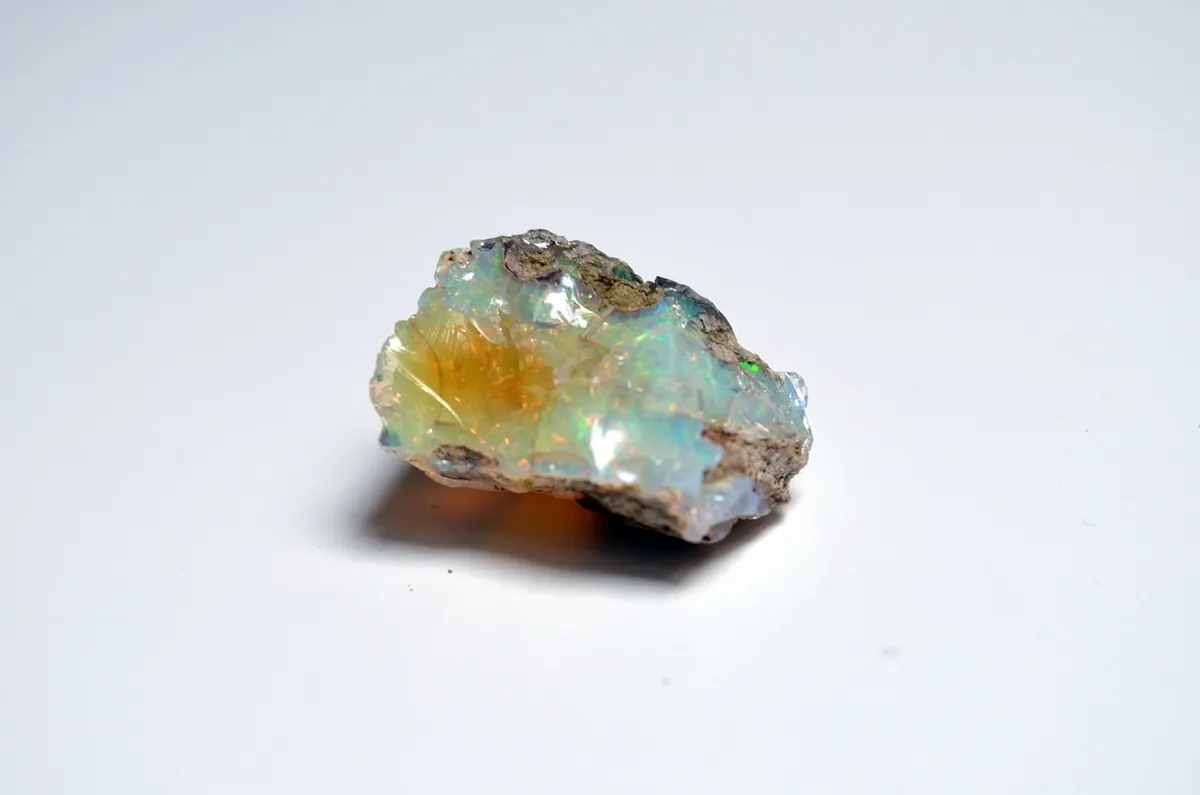
- A cabochon opal with a smooth girdle and a low-to-medium dome. Under-cut edges give the wire nothing to sit against.
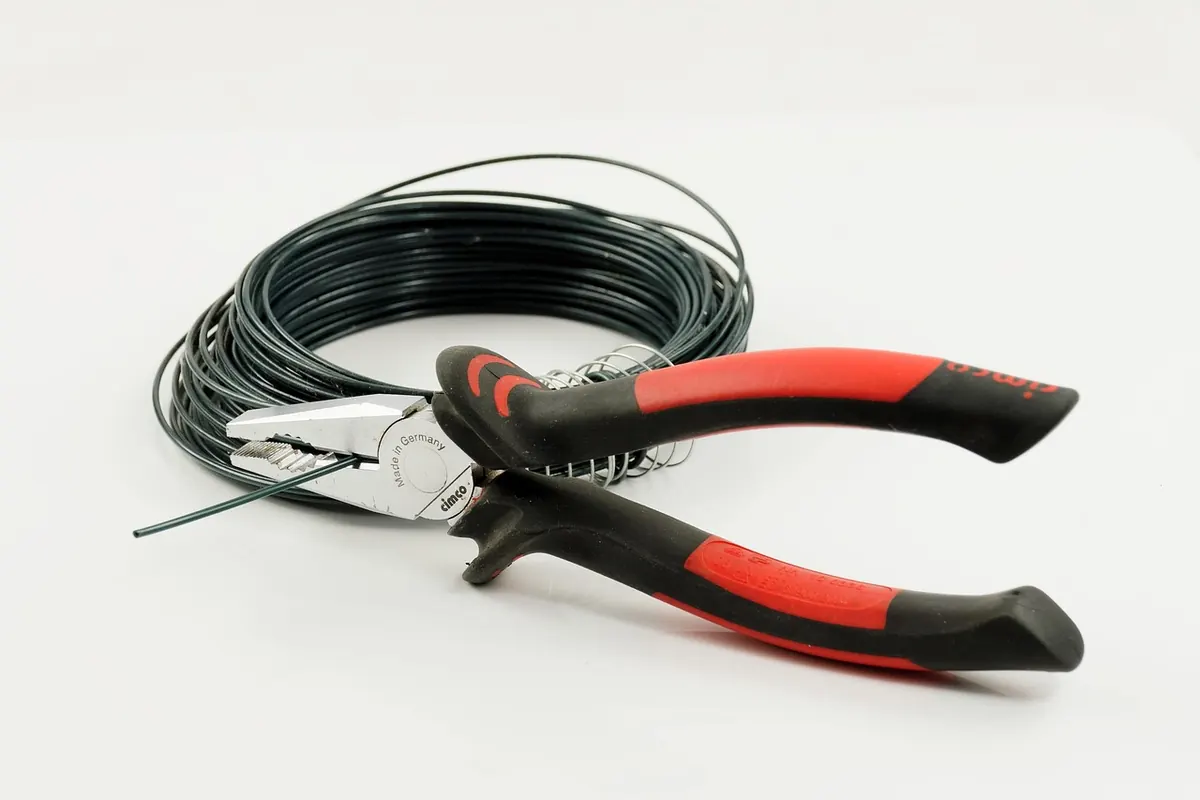
- 0.8 mm (20 gauge) dead-soft round wire for the cage — copper, brass or sterling silver.
- 1.0 mm (18 gauge) half-hard round wire for the bail, which must hold its shape.
- Round-nose, flat-nose and chain-nose pliers, plus a pair with nylon jaws for anything touching a finished surface.
- Side cutters and needle files or an emery pad around 400–600 grit.
- A dowel, ring mandrel or pen barrel of 5–8 mm for forming the bail.
- Masking tape, a soft cloth and a shallow tray. The tray matters; opals and hard floors do not mix.
- A practice stone — a potch opal or glass cabochon in a similar shape.
Three things an opal will not forgive
Before you bend a single wire, know what you are protecting.
Heat
Opal is silica with water locked inside its structure, and a sudden temperature change can cause crazing — a network of fine cracks that never heal. No soldering with the stone on the bench, no steam, no annealing. Make a soldered bail as a separate piece, let it cool completely, then fit it.
Point pressure
Opal is brittle. It tolerates even pressure across a flat back far better than a narrow squeeze. Pliers closed on a wire resting against the stone will often leave a chip at the girdle, and you may not spot it until the light catches it.
Chemicals and long soaks
Avoid ultrasonic and steam cleaners for any set opal, along with bleach, household cleaners and jewellery dips — particularly on doublets and triplets, which contain adhesive layers. Ethiopian hydrophane opals can absorb water and change appearance until they dry out, so keep soaking to a minimum.
Forming the cage, step by step
Work over the tray with a cloth underneath. Six wires balance coverage and visibility; five is plenty for a small stone.
- Measure the stone. Note the widest measurement and the depth, and write both down.
- Cut six lengths of 0.8 mm wire, each about three times the widest measurement plus 10 cm. Trimming excess is easy; adding wire is not.
- Make the hub. Bundle the wires, find the centre, and twist a tight 2 cm stem with flat-nose pliers. This sits behind the stone and anchors the bail later.
- Fan the wires out evenly, like a clock face with six hands — roughly 60 degrees apart. Flatten gently with nylon-jaw pliers or your thumb through a cloth.
- Tape the fan down so the layout cannot shift while you work.
- Centre the stone, dome up, on the hub, wires radiating beneath it and each tip reaching a little past the edge. Adjust any uneven spacing now.
- Bring the wires up one at a time. Lift a tip, curve it upward against your finger — not against the opal — then roll it over the top of the dome by 3 to 4 mm.
- Work opposite wires in turn, the way you would tighten wheel nuts. This keeps the stone centred and stops the cage twisting.
- Snug, do not squeeze. Close the wires gently against the girdle with nylon jaws. The cage should hold by shape, not by clamping.
Shaping the bail so the pendant hangs true
A bail is only a loop, but where you put it decides whether the pendant hangs flat or swings face-down. Cut about 8 cm of 1.0 mm half-hard wire, form a loop around your dowel, and bring the two tails together into a stem. An inner diameter of 5 to 6 mm suits most chains; go to 7 or 8 mm for leather cord or a chunky chain.
Attach the bail to the twisted hub at the back. Wrap the tails around the hub with finer 0.5 mm wire, or twist them through it and press the ends flat. Then test the balance by holding the pendant up by the bail and letting it hang. The dome should face forward and the girdle should sit level. If it tips, move the bail or add a small counterweight loop at the bottom of the cage.
Where beginners crack opals
Nearly every cracked first setting comes from one of five habits.
- Shaping the wire on the stone. Bend each wire in free air, then offer it up to the opal.
- Using pliers against the girdle. Near the stone, use fingers, cloth and nylon jaws only.
- Relying on tension. A cage that grips by spring pressure will chip the girdle over time; the wire should follow the stone's curve, not press into it.
- Leaving sharp cut ends. File every tip flush, then roll it into a small loop or tuck it against the back.
- Tumbling or polishing with the stone in place. Vibration and steel shot are unkind to brittle stones. Polish the wire by hand.
A thin leather or felt pad behind the stone can cushion an uneven back, but keep adhesive well away from the edges; solvent glue is not what you want beside a resin-treated or hydrophane opal.
Finishing and the security check
Once the cage is snug, tidy the back: press the fan wires flat against one another so nothing catches on a jumper, file cut ends, and burnish the metal with a smooth steel or a soft cloth. Metal polish on a cloth is fine — just keep paste out of the setting, where it lodges at the girdle and dulls the play of colour.
Then check the setting properly. Hold the pendant upside down over a soft cloth and rock it gently from side to side. The opal should not shift or rattle. Run a fingertip around the girdle and feel for any wire that has lifted. Repeat the check after the first day of wearing; wire bent slightly to fit will often relax a fraction.
Make your first cage in copper
Copper is cheap, soft and forgiving, so a mis-bent wire costs pennies and nothing else. Buy a potch opal or a glass cabochon in the size of the stone you really want to set, and build for that first. You will learn how much wire you actually need, where your pliers leave marks, and how the fan behaves when you hook over the fifth wire with four already in place.
Opal rewards a slow hand. Fit the wire to the stone, never the stone to the wire, keep heat and hard tools away from it, and a simple six-wire cage will hold a favourite cabochon safely for years.
Photo: Kranich17 / Pixabay