Sterling Silver vs Copper vs Brass: Choosing Wire for Handcrafted Jewellery
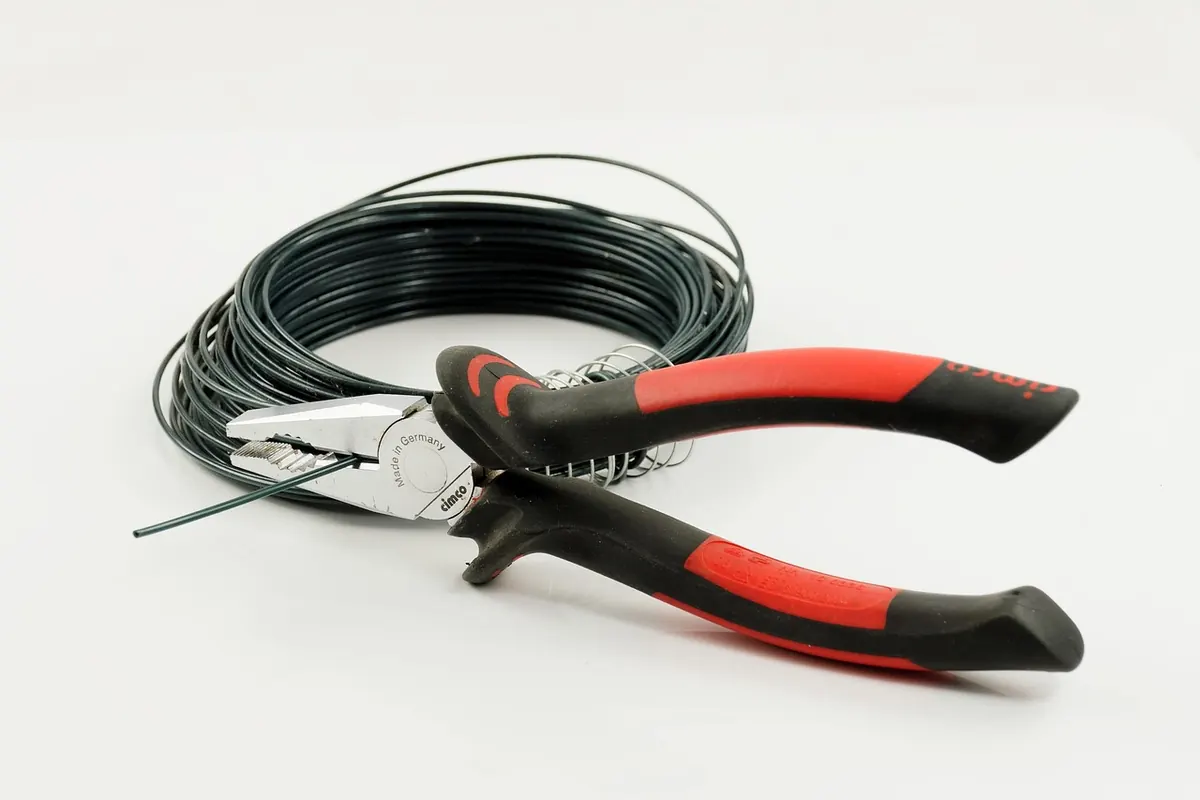
Three spools sit on the bench: one bright white, one warm red, one the yellow of old gold. They all bend, wrap and hammer, but they age differently, feel different in the pliers and cost wildly different amounts. Choosing between sterling silver, copper and brass is less about which metal is best and more about which one suits the piece in front of you — and the person who will wear it.
Here is the short version, before the detail:
- Sterling silver — the professional choice. Costs the most, tarnishes slowly, takes fine detail and suits heirloom work.
- Copper — the friendly choice. Cheapest, softest, tarnishes fastest, perfect for bold shapes and for practising.
- Brass — the sturdy choice. Inexpensive, stiff, holds a gold colour for a while and then dulls.
Cost: What You Are Actually Paying For
Sterling silver is priced by weight, not by the spool, and the price moves with the metal market. A length of 20-gauge sterling will cost many times the same length in copper or brass, and that is before you account for the cost of a mistake. Copper and brass are industrial metals, cheap to produce and cheap to buy, which is exactly why they are the sensible place to learn.
Watch what you are buying, though. Craft wire sold as "copper" is sometimes copper-plated brass; "silver-plated" is a copper core with a thin silver wash over it. Enamelled copper wire from an electronics supplier is bare copper with a lacquer coating — handy and cheap for weaving, but you cannot solder it without stripping the coating, and it will not take a patina. If the metal content matters to your design, buy bare wire from a jewellery supplier and read the label properly.
A practical habit: prototype in copper. Bend the shape, correct the proportions, test the curve against your own wrist, then make the final version in sterling. Copper costs pennies; silver mistakes cost real money.
Tarnish and Patina: How Each Metal Ages
Silver tarnishes because of sulphur compounds in the air — traffic fumes, rubber bands, some papers and wool are all culprits. The surface goes yellow, then brown, then black. It is not rust; it is a layer that polishes away with a silver cloth. Store finished pieces in airtight bags with anti-tarnish strips, and keep rubber bands well away from your work in progress.
Copper tarnishes faster and more dramatically. It darkens to a warm brown, then near-black, and in damp or salty air it can develop verdigris, the green film you see on old roofs. Acidic skin speeds the process up considerably, which is why a copper bracelet can look bright on one person and dull within a week on another.
Brass dulls and darkens rather than turning green, though it can spot in humid conditions. Plenty of makers like an aged brass look — it reads as antique rather than neglected. Silver is less forgiving: most customers expect it bright.
Slowing tarnish down
Renaissance wax or a clear jewellery lacquer will hold tarnish back for a while, but coatings wear at the contact points first — the inside of a ring, the hook of an ear wire — so plan to reapply. For a deliberate dark finish, liver of sulphur gives silver and copper a controlled patina. Work in a ventilated space, use it sparingly and follow the manufacturer's instructions.
Skin Reactions and Customer Questions
Nickel is the metal most likely to cause a reaction, and it turns up in cheap base-metal jewellery and in some plated findings. Sterling silver, copper and brass sit outside that group, though brass is an alloy of copper and zinc and the exact mix varies between suppliers. If your customers have known sensitivities, ask your supplier for the composition and pass that information on accurately. Avoid blanket terms like "hypoallergenic" — they promise more than any alloy can deliver, and an inaccurate claim is a problem if someone reacts.
Copper is famous for leaving a green or dark mark on skin. That is copper salts forming where the metal meets sweat, and it washes off with soap and water. It is not usually a sign of allergy, but people with sensitive skin may prefer a coated wire or a different metal for rings and bracelets, where contact is constant.
An actual reaction is different: redness, itching, blistering. If that happens to you or to someone wearing your work, stop wearing the piece. If it persists, speak to a pharmacist or GP. Where you sell jewellery, check the rules that apply to your business before making any health-related claim.
Workability: How the Wire Behaves in Your Hands
Copper is the softest of the three and the most forgiving. It bends with light finger pressure, takes hammer texture beautifully and work-hardens as you shape it. When it stiffens and starts fighting back, anneal it and carry on. It is the metal to practise on.
Brass is noticeably stiffer and springier. It work-hardens quickly and will snap at a tight bend if it is already hard, so anneal before a sharp corner. Once formed, it holds its shape superbly, which makes it good for bangles, frames and anything that must not sag.
Sterling silver sits between the two and comes in tempers. Dead-soft for weaving, wrapping and forming; half-hard for ear wires, clasps and rings that must stay round; spring-hard for pins. Buying the right temper saves more time than any technique you will learn this year.
Gauge matters as much as metal. Twenty to twenty-two gauge covers most wrapping and structural work; twenty-six to twenty-eight is for fine weaving and delicate detail. A coil made in 28-gauge copper will feel flimsy in 18-gauge brass, even though the shape is identical.
Soldering notes
Silver and copper both solder reliably with silver solder and a decent flux. Brass is fussier: zinc oxidises at temperature and can fume, so use lower heat, more flux and short, confident passes. Coated wire cannot be soldered at all, so decide your joins before you place an order.
Finish, Colour and
Photo: Bru-nO / Pixabay